

HR Management
5 min read
Microsoft-Integrated HR Platforms: Benefits & How It Works
Microsoft-integrated HR platforms run inside your own tenant. See how SharePoint, Azure AD, Teams and Power BI cut risk, lift adoption and speed reporting.
Read more


.png)
Running a company with a lot of records of employees is not easy. Records are scattered across multiple tools, spreadsheets, and emails. Sometimes, payroll is not working well. Onboarding takes a lot of time. Generating employee reports is a difficult task. Many organizations face these kinds of difficulties every day. These are some factors that can slow your growth and decision-making process.
HRIS, or Human Resource Information System, makes a difference. It focuses on the employee data. It automates the process of HR. It provides actionable insights and helps you make smarter decisions.
In this Lanteria HR blog post, we will explore what an HRIS is, why it matters, how it works, its key functions, types, challenges, and benefits. We will also compare it with HRMS, HCM, and HXM. So let’s get started.
All the information about employees is stored in an HRIS. It keeps records accurate and easy. Onboarding, payroll, and performance can be handled faster by the HR teams.
An HRIS is a centralized database that stores information about employees. It stores the personal information of employees' job roles, their salary history, performance records, and their training data in one secure system. It ensures accuracy, saves time, and reduces duplication. It makes reporting of employees reliable and faster.
Modern HRIS platforms use secure storage of cloud storage and role-based access. This thing protects the sensitive information of employees. Those users who are authorized can update and retrieve data quickly. From onboarding new hires to tracking career growth, a centralized database keeps HR management efficient and better.
To see how HR reporting can be made easier, explore HR Reporting with Lanteria Power BI.
HRIS is automated to perform HR tasks such as payroll, attendance, hiring, and training. It reduces manual work and gives HR departments clear ideas.
Core functions of HRIS include:
It automates the taxes, calculations of salaries, and benefits for employees.
It tracks the hours of employees, their leaves, and also monitors their absences.
Recruiting and onboarding centralize the posting of jobs, applications, and digital onboarding.
It monitors the reviews, KPIs, and appraisals.
It manages training courses and certifications.
All these functions work together to reduce manual work. They improve data accuracy and provide actionable insights.
Importance Of HRIS In Organizations
HRIS will help HR teams work based on strategy rather than paper. It improves efficiency, reduces mistakes, and helps decision-making.
HRIS transforms HR from a reactive function into a strategic one. Automation gives relief to HR teams from repetitive tasks. They can easily focus on the engagement of employees and their workforce planning and strategy.
HRIS ensures the data and their accuracy. It reduces the risk of compliance. It gives you real-time insights for a better decision-making process for all types of companies. HRIS improves your operational efficiencies, and it enhances the experience of employees.
It provides you the optimized workforce planning. Without HRIS, HR teams consume more time on firefighting issues instead of supporting growth.
HRIS saves time, keeps data correct, and improves compliance. Employees stay active, and managers make better decisions.
Adopting HRIS is a strategic move instead of installing HRIS software. An accurate HRIS improves the accuracy of data, workflows, and empowers HR teams and employees.
It automates the repetitive tasks. With HRIS, payroll, employee leave management, and reporting become faster. Reports that used to take a lot of time can now be generated in minutes. This gives your team more time; now they can easily work on employee development.
Data accuracy centralizes the data and reduces payroll errors, attendance, and employee records of employees. Automated calculations give reliable information.
With advanced dashboards, you see performance metrics, workforce trends, and skill gaps. This helps managers plan staffing and HR strategies smartly. You can predict staff needs and align HR strategies with business goals.
HRIS handles regulatory tracking and keeps detailed records. It ensures processes meet legal and policy standards, safeguarding your organization.
Self-service portals give staff the power to manage their own records. They can easily access pay slips, request leave, and track their performance. It empowers employees and gives them satisfaction, allowing them to engage with their work more confidently.
HRIS gives you more time to focus on the people within the organization. It improves workforce planning. It delivers error-free insights. This gives you an advantage in handling talent effectively.

The process of implementing HRIS can be hard in terms of moving old data, connecting systems, and adoption. Planning and training make it easier.
These are some common challenges of HRIS.
Moving the old records of the employees into a new syestem. It can be very tricky and takes a lot of time, and it needs careful planning.
Sometimes employees hesitate to use new software. Providing them a good training is very important.
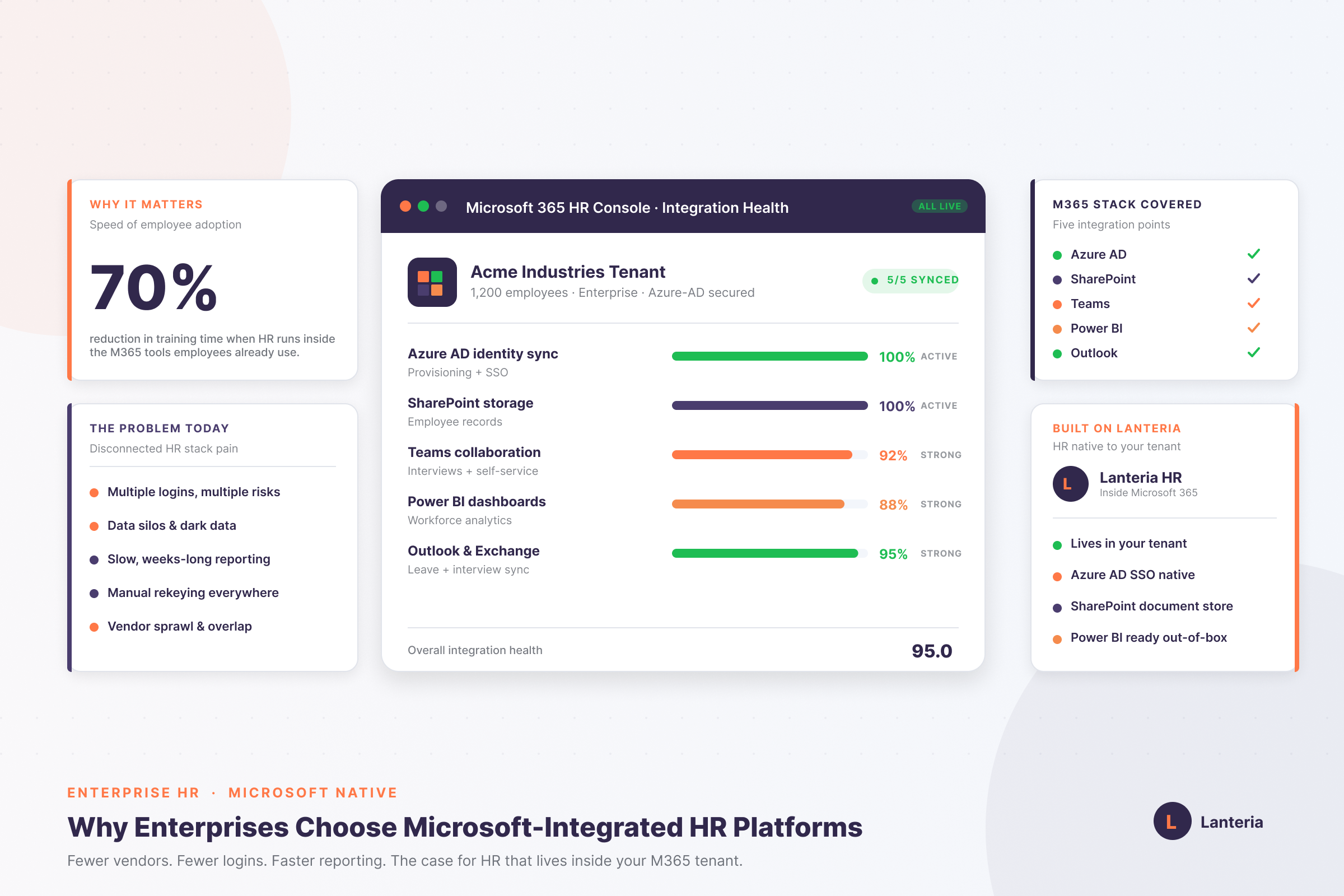
HRIS works smoothly with existing tools, like Office 365 for email, documents, and AD for login accounts.
Sometimes, the system requires minor adjustments to align with your company’s workflow.
Addressing these challenges early ensures the HRIS runs smoothly and delivers the kind of result you actually want.
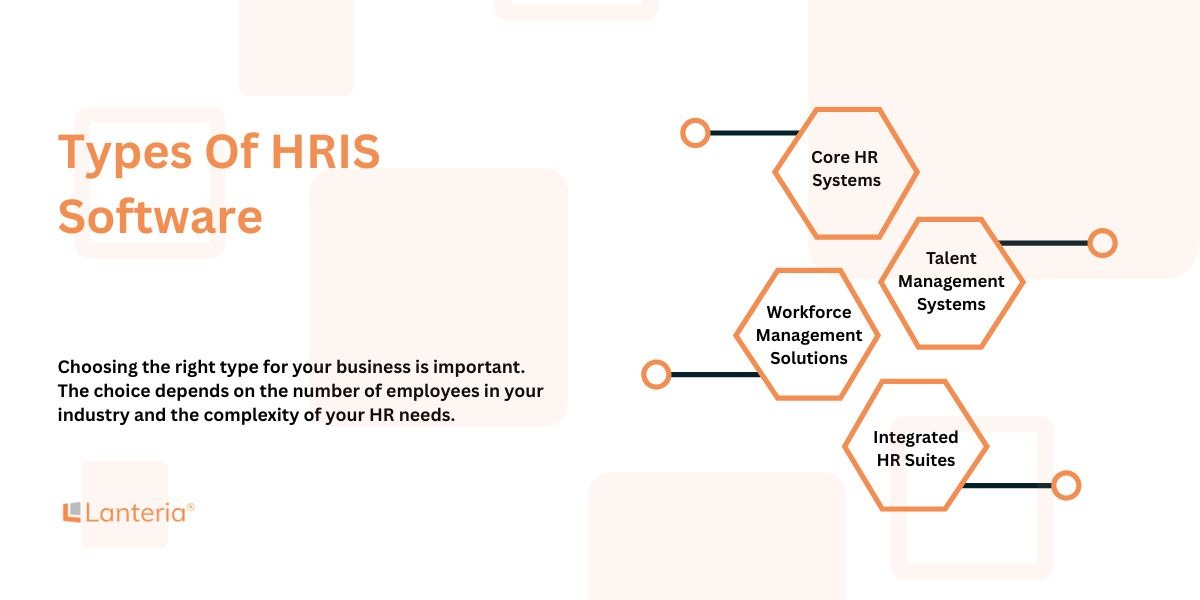
HRIS is available as core systems, talent management, workforce management, and bundles. Choose depending on the size of the company and the needs of the company.
HRIS software comes in these categories.
It focuses on the data of employees, payroll, and compliance.
It includes recruiting, performance, and learning modules.
They handle scheduling, attendance, and labor costs of the employees.
It saves your time and combines multiple HR modules in one platform.
Choosing the right type for your business is important. The choice depends on the number of employees in your industry and the complexity of your HR needs.
Cloud HRIS is not a local server; it is an online system. Its work is real-time. It is easy to access from anywhere by the teams. It is safe, scalable, and easy to manage.
Cloud-based HRIS is not on local servers but on an online system. It is easy to access, it can grow, and it works in real-time. Information can be accessed safely anywhere by the teams. Utilizing cloud solutions reduces IT costs and facilitates easier updates. Sensitive data is protected through encryption and role-based access. Cloud HRIS is a useful tool for remote or global teams.
HRIS focuses on employees. HRMS also adds payroll, performance, and hiring features.
HRIS and HRMS are not the same. HRIS deals with employee data, employee reports, and HR core tasks. HRMS has all HRIS features as well as operational tasks like payroll, hiring, and performance management. Think of HRIS as the base, and HRMS as the full working system.
HRIS and HRMS focus on efficiency and smooth operations. HCM and HXM an employee-focused on strategic and employee-centered HR. Choose the platform that fits your needs.
HR technology has changed. HCM (Human Capital Management) focuses on workforce planning and talent optimization.
Choose the platform that fits your organization’s priorities.
Choose an HRIS carefully. Check scalability, integration, security, and ease of use. Choose a system that fits your company and grows with it.
Choose an HRIS carefully. To grow with your organization, it should be scalable. Check integration with tools like Office 365, SharePoint, and Active Directory. Make the system easy to use. Security is also important to protect confidential information. Consider costs like licensing, setup, and maintenance.
Top HRIS providers offer features for different sizes. Lanteria works with Microsoft 365 and SharePoint. Workday is a cloud-based and best suited for large companies. BambooHR is easy to use, the best of SMBs. HiBob is the modern HR employee management tool, best for people-focused companies. SageHRMS focuses on payroll and talent management, best for mid to large companies.
| Vendor | Focus / Strengths | Best For |
|---|---|---|
| Lanteria | It works with Microsoft 365 and SharePoint | Businesses using the Lanteria for MS ecosystem |
| Workday | It is a Cloud-based HCM and HRIS | It is for large companies |
| BambooHR | It is an Easy-to-use platform for small and medium businesses | It is best for SMBs |
| HiBob | It is Modern HR and employee engagement tools | It is for Medium-sized, people-focused companies |
| Sage HRMS | Payroll, compliance, and talent management | Mid to large companies |
HRIS is shaped by AI, automation, and dashboards. They make HR faster, smarter, and easier for employees.
HRIS is developing fast. AI and automation improve recruitment, performance tracking, and workforce planning. Self-service portals are becoming more interactive. Chatbots provide help and personal support. Real-time dashboards allow quick decisions. The future brings better operations and a better employee experience.
HRIS analysts manage the system, create reports, and train employees. They make sure HRIS works well.
They ensure the HRIS works correctly and meets organizational needs.
HRIS focuses on employees' data. It automates the process of HR and gives you actionable insights for a better and smarter decision-making process. It stores the personal information of the employees, payroll, performance, and their training data in one system.
Their core function include payroll, attendance, recruitment, performance management, onboarding, and learning development. HRIS enhances the accuracy of data, improves compliance, and employee engagement. Cloud-based solutions offer accessibility and scalability, while integration tools such as Microsoft Office 365 enhance productivity.
Advanced and modern HRIS leverage AI, analytics, and self-service portals. Choosing the right system is important. Choosing the right system depends on scalability, security, and cost. It transforms the HR from an administrative to a strategic function.
The adoption of HRIS will change the way your organization handles HR. It also brings together employee data, reduces mistakes, and automates simple tasks. HR departments can save time spent on paperwork and focus on important projects, such as building talent and planning the workforce.
This also helps employees who get self-service portals, which improve engagement and satisfaction. Cloud-based solutions support remote and global teams, are scalable, and make data available. Current HRIS solutions use artificial intelligence and analytics to support faster and smarter decisions. Choosing the right system ensures security, ease of use, and long-term value.
Finally, an HRIS turns HR into a strategic driver instead of a reactive activity. It simplifies processes, improves compliance, and makes your organization focus on what is most important: the people.
It is a platform that focuses on the data of HR, automates the process, and gives insights to improve HR operations.
It stands for Human Resource Information System.
When HR manual processes are slow, they are not functioning effectively.
Who Benefits From An HRIS?
HR teams, managers, employees, and leadership benefit from HRIS for accurate data.
It reduces payroll errors, streamlines onboarding, centralizes data, and improves reporting.
Consider integration, scalability, usability, security, and cost.
HRIS is data-focused, HRMS adds operational functions, HCM emphasizes strategic workforce planning, and HXM focuses on employee experience.
Helpful Resource: Core HR automation: challenges and benefits