

HR Management
5 min read
Microsoft-Integrated HR Platforms: Benefits & How It Works
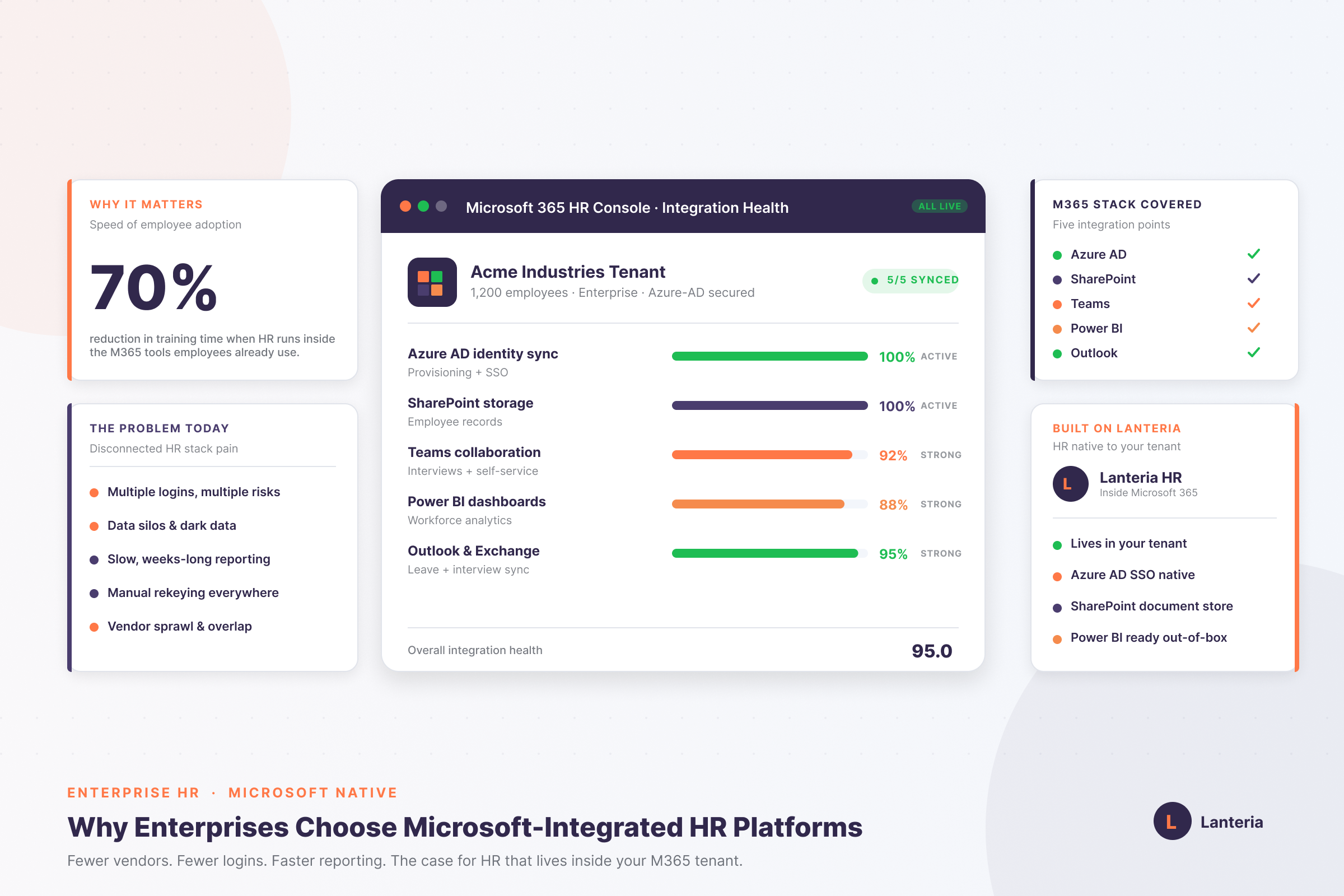
Microsoft-integrated HR platforms run inside your own tenant. See how SharePoint, Azure AD, Teams and Power BI cut risk, lift adoption and speed reporting.
Read more


You must have experienced the inconvenience of having manual spreadsheets not working when there was a surge in hiring. Perhaps your organization is trapped with disjointed information in five old systems. These silos make the delivery slow, decrease agility, and damage engagement.
This guide describes Digital HR Transformation in a practical manner. You are going to hear the most popular types of HR technology and a basic rollout model. You will also learn how SharePoint can integrate data as well as automate processes.
Digital HR transformation changes the HR activities to automated and data-driven practices. It is not just that it involves purchasing new software. It is a shift in the way HR serves the business.
It can be defined as the integration of social, mobile, analytics, and cloud tools. It transforms your way of recruiting, onboarding, and retaining talent. It also enhances uniformity in the employee experience.
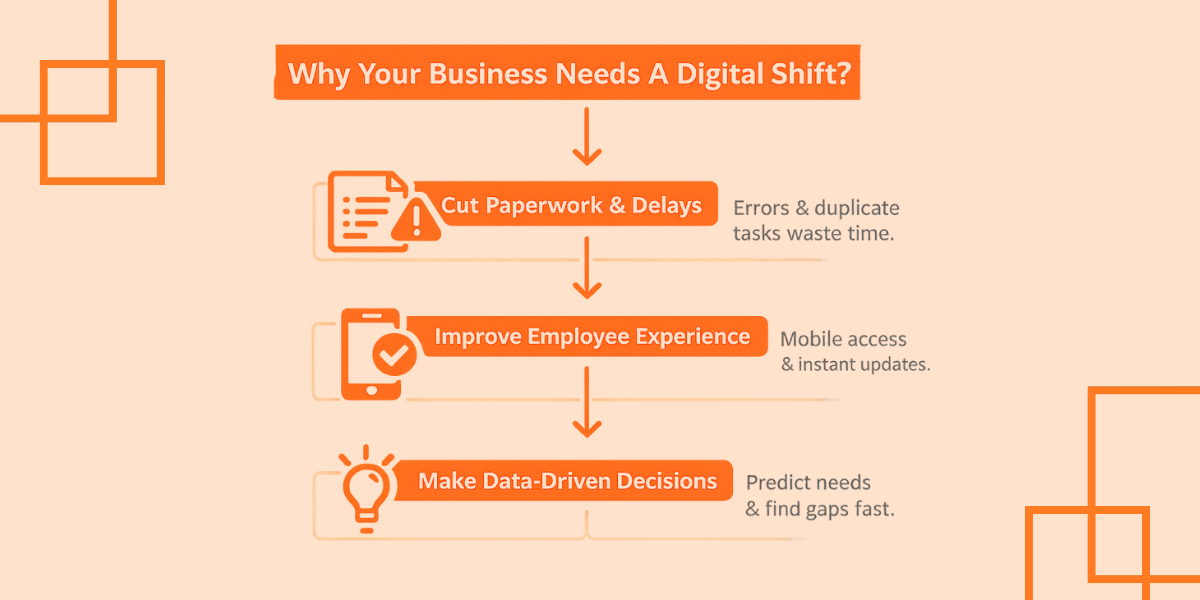
This is because scale and efficiency are important. Paperwork causes errors, duplication of records, and delays. It wastes HR time in administration as well.
Employees have gone to demand quick and service-oriented HR experiences. They desire to have mobile access, transparent status updates, and fewer forms. They also want swift responses without pursuing emails.
Digital insight makes you foresee turnover and identify gaps in skills in time. In its absence, decisions are based on guesses and noisy statistics. A digital Hr model will ensure that HR is kept in line with growth.
Helpful Resource: What is HR Tech?
The first step is to audit your existing tools and manual processes. Determine the points of data congestion, duplication, or loss. Record the starting point to be able to demonstrate the improvement.
Identify the processes that require spreadsheets and email chains. Record where approvals delay the hiring, onboarding, or payroll changes. Monitor the owner of every step and its breakpoints.
Select a platform that suits your present business environment. A SharePoint-based solution is the most convenient option for many teams. It is compatible with Microsoft 365 and identity controls.
Integration is more important than flash apps. Select applications that are linked to your emails, calendar, and document repositories. This saves on training time and enhances adoption.
Trace the lifecycle between the stages of Hire to Retire. Automate the routines such as signing of documents, acknowledgements of policies, and enrolling benefits. Retain exceptions, but eliminate busy-work.
Utilize workflows to direct approvals and implement standard templates. Establish role-based accessibility to make managers see what they require. Simple HR and leadership dashboards.
No ideal moment exists, but there are obviously indicators. When turnover increases without any evident reason, you should have improved analytics. When the onboarding process consumes weeks in paperwork, you are already lagging.
It is sometimes the best moment to grow. One department can pilot the changes prior to a hiring spike. Do not wait until compliance or payroll errors compel you.
Helpful Resource: Transform HR with Lanteria Analytics Suite
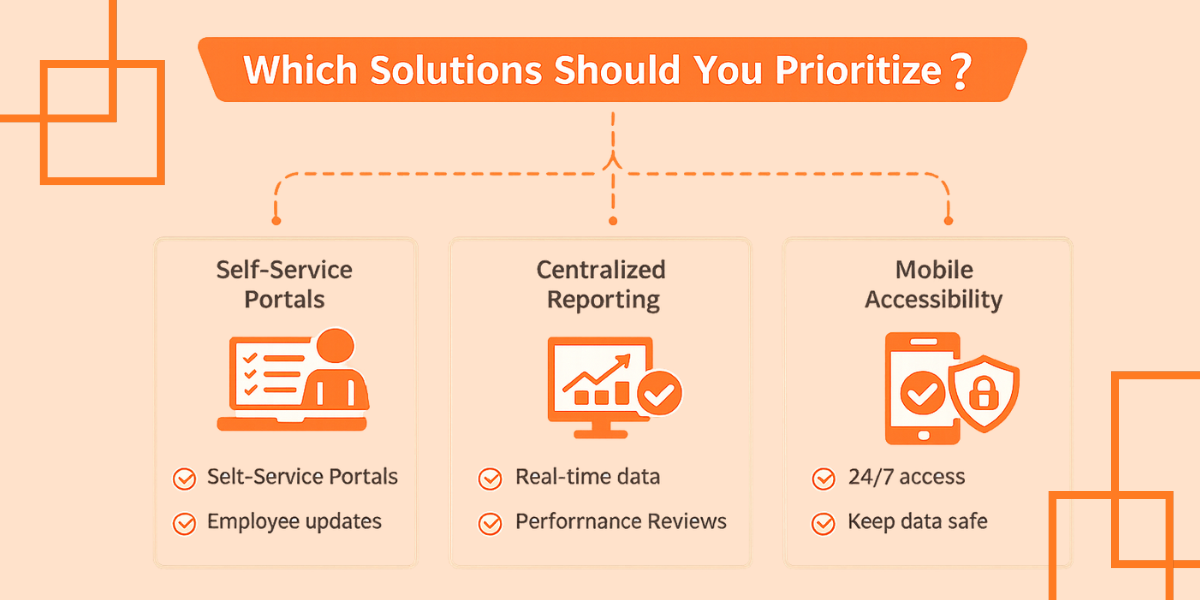
Begin with an integrated package rather than independent applications. A best-of-breed system may be effective, although it frequently brings integration headaches. You have a single workflow, not ten logins.
Look for tools that provide:
Focus on HR workload reduction wins within the first month. Such momentum assists in adoption throughout the business. It also develops confidence in leadership.
Digital HR requires a well-developed data architecture. Go for a Single Source of Truth in order to avoid silos. Make similar IDs, naming conventions, and audit trails.
SharePoint 2019+ and Office 365 provide a good foundation. They endorse document management and ensure cooperation. And also check partners regarding delivery standard and security.
Helpful Resource: From Hire to Retire: What Makes Lanteria’s Modular HR Platform Unique
Digital HR change is a viable route to informed decision-making and streamlined operations. It is not a buzzword project. It minimizes the use of manual labor and enhances consistency.
A well-organized structure saves time and increases morale. You also scale without chaos. The actual question is whether your HR strategy is prepared to take action.
No, not always, and it depends on your stack. When you already have tools, such as SharePoint, the cost may remain low as the savings are achieved by reducing the amount of manual work.
In 3-6 months, most teams record obvious wins. Begin with onboarding and core workflows, and then enhance them gradually through time.
No, it tends to safeguard the human side by liberating time. Automation eliminates administrative overheads, enabling HR focus on human beings, culture, and service.
Register for a demo with Lanteria and transform your HR in a few weeks.