

HR Management
5 min read
Microsoft-Integrated HR Platforms: Benefits & How It Works
Microsoft-integrated HR platforms run inside your own tenant. See how SharePoint, Azure AD, Teams and Power BI cut risk, lift adoption and speed reporting.
Read more


Can you imagine losing your best software engineer just as a big product is going to be released? You did not see it coming. The red flags have been in your data for months.
This is the reactive trap that most HR teams encounter. We examine the reasons why people left rather than speculate who would be the next to do so. We remain concentrated on reports rather than on insights.
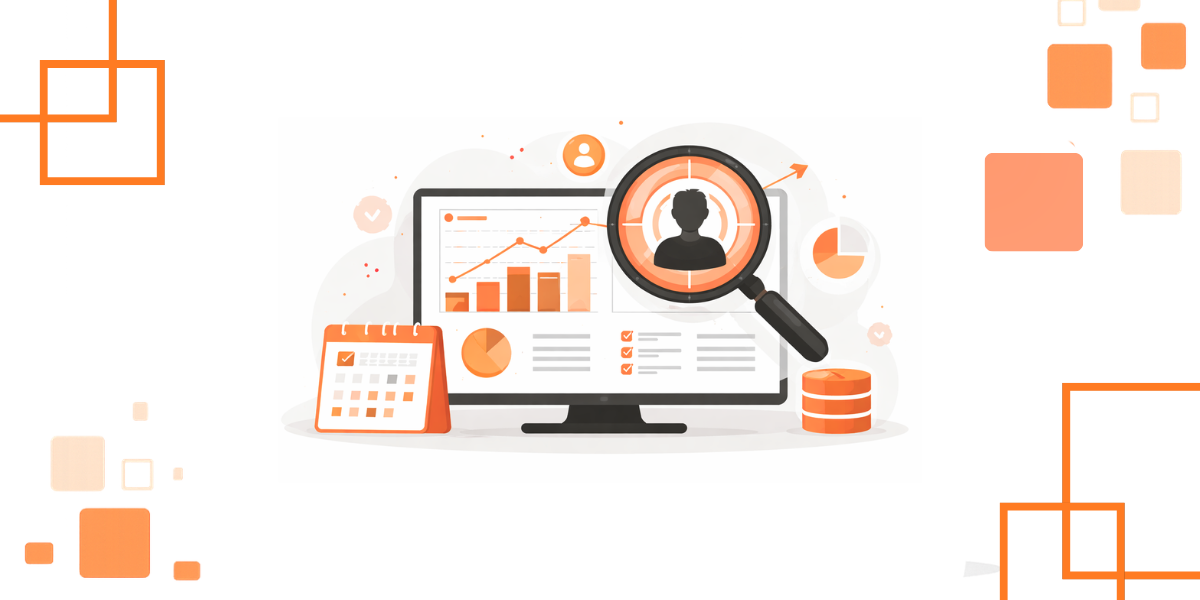
This blog will deconstruct predictive analytics hr and why this is important. We also demonstrate its implementation with Lanteria and Power BI. You will get to know what is realistic, what is hype, and which analytics category is actually value-driving.
Predictive analytics involves the use of past data to predict the future. It is based on machine learning and statistical models. It transforms patterns into probabilities.
In HR, it is not just descriptive reporting. You no longer count turnover but risk. You pass behind hindsight to foresight.
The system compares the performance, engagement, and tenure trends. It develops models based on the previous results to project the future. Rather than asking What happened? You ask, What might happen?

This is basically due to cost control. Mistakes in hiring and turnover are costly. Reactive HR is time-consuming and expensive.
Predictive analytics minimizes speculation. The decisions are made data-driven rather than emotionally. Managers get ideas rather than conjectures.
The following can be made possible by it:
This strategy enhances the culture and profitability. It facilitates smarter discussions with the leadership. It makes HR a strategic function.
How Does It Work Technically?
You require clean and centralised data. Scattered spreadsheets will not work. It is based on a structured HRMS such as Lanteria.
The technical procedure consists of distinct steps:
The goal is usability. The insights should be easy to read. Predictions should be turned into action.
Helpful Resource: Real-Time HR Reporting with Lanteria & Power BI
All the categories address different problems. The two of them form a workforce forecasting system.
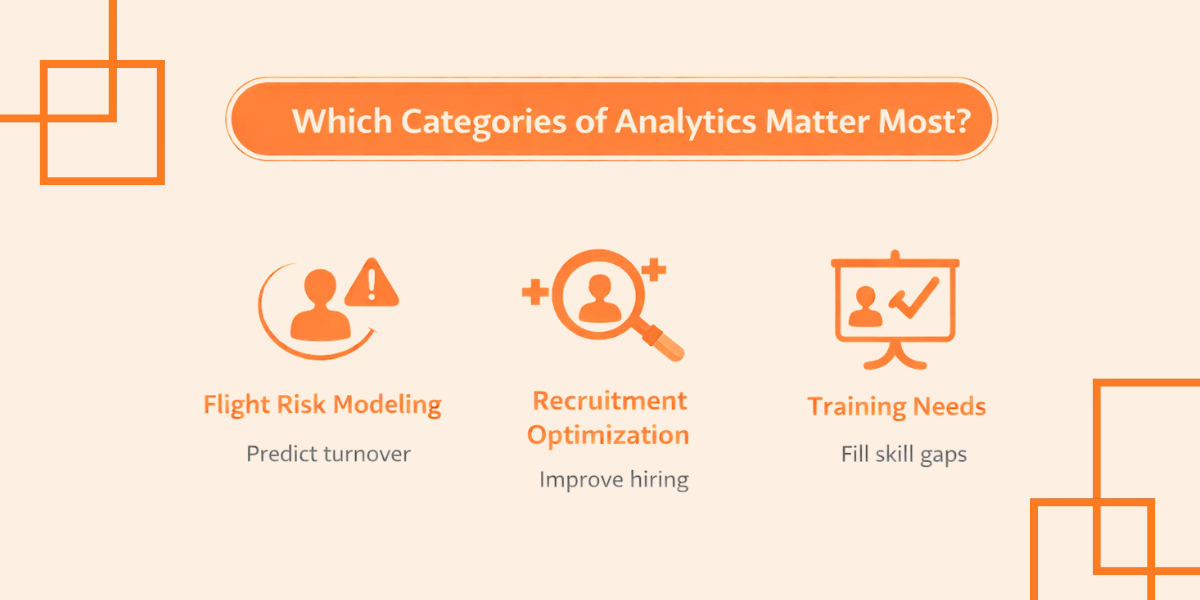
Not every analytics has the same value. What matters is based on business objectives. Work on areas that affect cost and continuity initially.
This is the most demanded HR model. It evaluates the promotion discontinuities, salary increase, engagement, and workload. It gives a probability score to every employee.
There are no guarantees about departures in the system. It puts emphasis on trends that are associated with resignations. HR can then hold stay interviews or make changes to development plans.
Predictive recruiting analyzes past hiring information. It determines the channels that yield long-tenured employees. It also helps in measuring boarding success trends.
You will be able to stop wasting money on poor resources. Using performance data, you can customize job descriptions. Hiring is strategic rather than reactive.
Data on the learning indicates gaps in skills. Plateau risks are identified in the performance trends. Models suggest that training should be done before the decline starts.
Managers can be able to see the gaps in capabilities with structured learning catalogs. The development becomes active. The agility of the workforce enhances as time goes by.
Helpful Resource: Future-Proof Your HR with Secure Lanteria Solutions
You will not require a data science department. In case you are on Microsoft 365, you already have infrastructure. What is actually needed is structured data.
Begin when you are slow in reporting. When there are days utilized for HR reporting per month, automation is long overdue. The use of manual spreadsheets is an indication of being ready to change.
Automation is followed by prediction. Instant dashboards update time leads to more insight. It is common to start with many organizations in the process of annual workforce planning.
Helpful Resource: What is Workforce Management?
Prior to predictive analytics: ensure preparedness:
Models find it difficult without them. In their presence, insights are trustworthy. Prediction will always be preceded by structure.
HR predictive analytics are no longer a trial. It is a competitive practical advantage. Organizations that predict risks in the workforce are quicker and wiser.
The actual strength is in the integration of clean HR information with analytical systems. You are not substituting the human judgment. You are making it up using evidence.
Once HR is predictive in nature, the leadership becomes confident. Planning is strategic rather than defensive. The employees are more settled and active.
Yes, the additional historical data is better. The trends can be identified even with six to twelve months of clean data. It is about quality rather than quantity.
When combined with Microsoft 365, the information remains within the limits of the Azure protection. Access controls are not compromised. Visibility is characterized by permissions.
There is no system that predicts the precise behavior. It gives the probability scores on the basis of patterns. Those scores are proactively used by HR.
Trying to imagine the future of your workforce? Bring your HR data and start making predictions.